
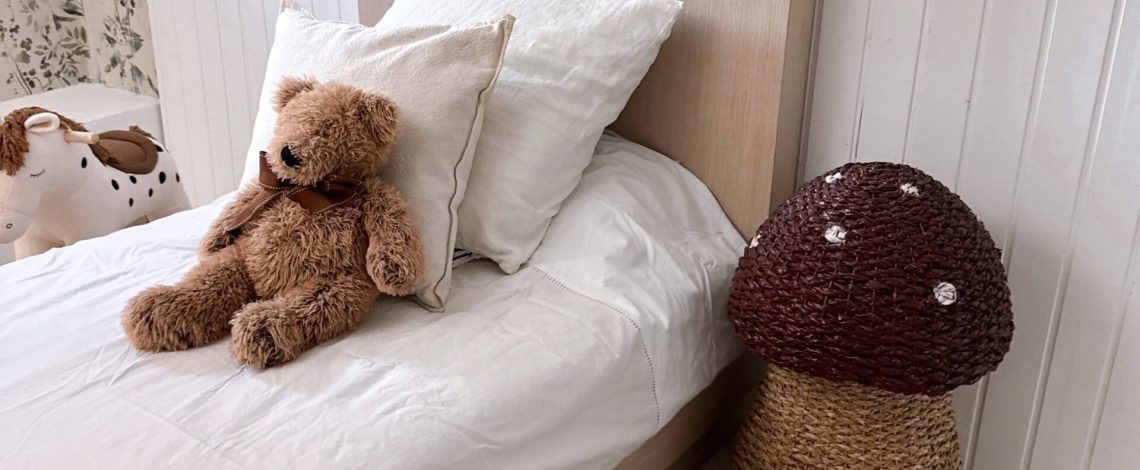
How to choose the perfect children´s bed according to age
The bed is one of the most important pieces of furniture in any child’s bedroom. It influences not only sleep but also comfort, independence, and the functionality of the space.
Choosing the right children’s bed depends on several factors: the child’s age, the size of the room, storage needs, and the family’s lifestyle.
How to choose children’s first beds
The transition from crib to bed is an important moment for many families. During this stage, low or Montessori-style beds are often one of the most recommended options.
They allow children to get in and out independently and help create more accessible and safer spaces.
Montessori beds and child autonomy
Montessori beds are characterized by their low height and simple design. They are designed to foster independence from an early age.
Furthermore, they fit perfectly into children’s bedrooms with a natural and minimalist style.
Children’s beds for intermediate ages
As children grow, their needs change. At this stage, it’s usually important to have:
- More storage space.
- Free play areas.
- Functional furniture.
- Rooms that are easy to keep tidy.
Beds with drawers or built-in storage work especially well.
Youth beds to make the most of the space
In teenagers’ bedrooms, functionality becomes even more important. Some recommended solutions are:
- Compact beds
- Beds with storage
- Trundle beds
- Bunk beds in shared rooms
These options allow you to make better use of the room without sacrificing comfort.
How to choose the right size
The bed should adapt to both the child’s current age and future growth. Opting for versatile sizes helps avoid constant furniture changes. It’s also important to leave enough space around the bed to maintain comfortable movement within the room.
- Materials and style
Natural wood is one of the most popular choices for children’s and teenagers’ bedrooms. It provides warmth, durability, and a timeless aesthetic that will last for years.
Simple designs tend to adapt better to the changing needs of the bedroom.
- Safety and comfort
In addition to aesthetics, it is important to consider:
- The stability of the structure.
- The quality of the materials.
- The appropriate height.
- The ease of access.
- The mattress ventilation.
All of this directly influences daily comfort.
Frequently asked questions about choosing children’s beds
When should you transition from a crib to a bed?
Every child develops at their own pace, although the transition usually occurs between the ages of 2 and 3.
What type of bed is best for small rooms?
Compact beds or beds with built-in storage help optimize space.
Are Montessori beds recommended?
Yes. They promote independence and create more accessible rooms.
What material is best?
Natural wood stands out for its strength, durability, and timeless aesthetic.
A bed designed to grow with them
Choosing the perfect children’s bed involves finding a balance between functionality, comfort, and design. Opting for quality materials and solutions adapted to each stage helps create bedrooms that are ready to evolve with them.
